Posts

Season Tire Storage Cost in Calgary

Image
Switching between winter and summer tires is essential for Calgary drivers, as each tire type is suited to the specific demands of the season. However, storing the set of tires not in use can be a challenge for those short on space. That’s where professional tire storage services come in, offering secure and convenient storage for your off-season tires. Let’s get into the details of   tire storage costs in Calgary , what influences these costs, and the benefits of using a professional storage service like Urban Lube. Why Seasonal Tire Storage Is Essential Calgary’s seasonal shifts bring significant changes in temperature and road conditions, making seasonal tire changes a necessity. Winter tires provide better traction on icy roads, while summer tires are designed to handle dry, warmer conditions. Properly storing the off-season set protects them from damage and helps extend the lifespan. But what does seasonal tire storage in Calgary cost, and what are the services included? Seaso...

How Do I Know My Car Needs an Oil Change?

Image
Regular oil changes are crucial to keeping your car running smoothly, enhancing engine longevity, and maintaining optimal performance. But how do you know when it’s time for an oil change? Whether you’re a new car owner or an experienced driver, knowing when to change your oil can save you from costly repairs and ensure your vehicle remains in top shape, especially in Calgary’s unique climate. Let’s explore the key signs that indicate your car needs an oil change, why  regular oil changes  are essential, and how Calgary’s weather impacts your oil change schedule. Why Is Regular Oil Changing Important? Motor oil plays a vital role in lubricating your engine, reducing friction, and preventing excessive heat build-up. Without regular oil changes, your engine can suffer from wear and tear, which leads to decreased performance and costly repairs. Changing your oil also helps to: Maintain engine efficiency Improve fuel economy Prolong engine life Reduce harmful emissions In Calgary,...

How Often To Rotate Tires

Tire rotation is one of the most essential aspects of vehicle maintenance. It helps extend the life of your tires, ensures even wear, and improves the overall performance and safety of your vehicle. At Urban Lube, a   professional tire change service in Calgary , we often get asked, “How often should I rotate my tires?” Know the importance of regular tire rotation, how often you should do it, and why it’s crucial, especially for drivers in Calgary’s varied climate. What is Tire Rotation? Tire rotation involves moving tires from one position on your vehicle to another. This means switching front tires to the back and rear tires to the front. In some cases, the tires may also be swapped side to side, depending on the vehicle’s drivetrain and tire wear pattern. The goal is to ensure even wear on all four tires, improving safety and extending their lifespan. How Often Should You Rotate Your Tires? For most vehicles,  tire rotation is recommended every 8,000 to 12,000 kilometers . ...

Types of Engine Oil

Regular oil changes are essential to keeping your vehicle in top condition. But with so many types of engine oil available, it can be challenging to know which one is best for your car or truck.   Urban Lube , an oil change company in Calgary, we ensure that our customers get the right engine oil to enhance the performance and lifespan of their vehicles. Let’s get into different types of engine oil and help you choose the one that’s perfect for your vehicle. Different Types of Engine Oil 1. Conventional Engine Oil Conventional oil is the most basic type of engine oil and is commonly used in older vehicles or those with simpler engine designs. It is derived from crude oil and includes additives that help keep the engine clean and prevent wear. Best For : Light-duty cars and trucks with low to average mileage. Benefits : Affordable and effective for daily driving in moderate conditions. Ideal Conditions : Calgary’s seasonal climate works well with conventional oil, though it may need...

How Changing Engine Oil Can Improve Your Car’s Mileage

Image
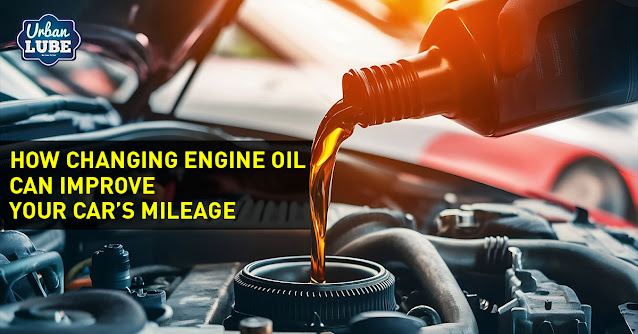
Maintaining your car’s engine in top condition is key to ensuring longevity and optimal performance. One often-overlooked yet critical aspect of this maintenance is regular oil changes. Engine oil plays an essential role in keeping your car running smoothly, and timely oil changes can significantly impact fuel efficiency. For vehicle owners in Calgary, where weather conditions can range from freezing winters to warm summers, ensuring your engine oil is in good shape is even more important. Know how changing your engine oil can directly influence your car’s mileage and why it’s crucial for Calgary drivers to stay on top of this essential maintenance task. 8 Steps to Improving Your Car’s Mileage 1. Reduces Friction in the Engine Your engine consists of multiple moving parts that must work together seamlessly. Over time, the engine oil breaks down and becomes less effective at lubricating these parts. When the oil is old, dirt and debris accumulate, leading to increased friction between t...

When to Switch to Winter Tires in Calgary?

Image
As winter approaches, Calgary drivers know all too well the challenges that come with navigating icy, snowy roads. Winter in Calgary can be harsh, with temperatures plummeting well below freezing and snowfall affecting driving conditions. One of the most critical steps you can take to ensure your safety and improve your vehicle’s performance in these conditions is to switch to winter tires. But when is the right time to make the switch? When to Switch to Winter Tire We recommend considering a switch to winter tires from late September to mid-October. This ensures that your vehicle is prepared for Calgary’s cooler months, particularly as temperatures begin to dip below 7°C (45°F). By transitioning early, you’ll have the traction and grip needed for the inevitable icy, snowy, and slushy road conditions. Making the change before the first snowfall is a smart precaution, as winter tires are optimized for cold weather performance. Taking this step early helps ensure a safer driving experien...

How to Start a Diesel Truck in the Cold

Image
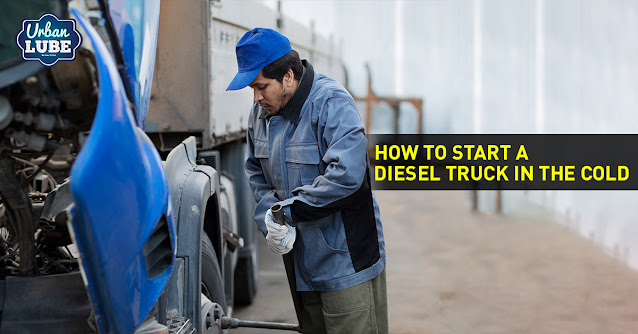
Diesel engines are known for their durability and efficiency, but starting a diesel truck in cold weather can be challenging. The cold temperatures affect the engine, fuel, and battery, making it crucial to take specific steps to ensure a smooth start. Why Cold Weather Affects Diesel Engines Diesel engines operate differently from gasoline engines. They rely on the heat generated by compression to ignite the fuel. In cold weather, this process becomes more difficult due to the following reasons: Thicker Oil : Cold temperatures cause engine oil to thicken, making it harder for the engine to turn over. Cold Fuel : Diesel fuel can gel at low temperatures, clogging the fuel filter and lines. Battery Performance : Batteries lose efficiency in cold weather, providing less power to start the engine. Steps to Start a Diesel Truck in Cold Weather 1. Use the Right Oil Switch to Winter-Grade Oil : Use synthetic or winter-grade oil to ensure better flow in cold temperatures. Regular Oil Changes : ...